One of the comments I hear surprisingly often from business owners is:
“We’ve got Xero … but I’m not really sure we’re getting much from it.”
And honestly, I get it.
For many businesses, accounting software slowly becomes nothing more than a digital filing cabinet.
Receipts get uploaded. Invoices get raised. VAT returns get submitted.
But very little of the information inside the system is actually being used to help make better business decisions.
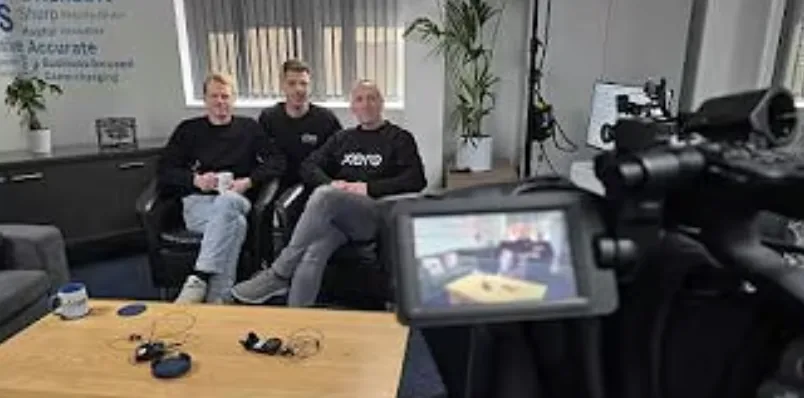
That was exactly the focus of Episode 2 of the Giving You More Than Numbers podcast, where I sat down with Paul McKay from Xero UK and Tim Maycock from Allect to talk about getting real value from Xero — without needing to live inside it every day.
Because the reality is this:
Xero is incredibly powerful when it’s used properly.
But software on its own doesn’t improve a business.
Visibility does.
One of the biggest mistakes business owners make is relying purely on the bank balance to judge how the business is performing.
If there’s money in the account, things must be okay… right?
Not necessarily.
The bank balance only shows where the business is today.
It doesn’t show:
what’s due to leave next week
which customers still haven’t paid
whether margins are shrinking
whether VAT is building up in the background
or whether the business is actually becoming less stable despite growing turnover
That’s where proper reporting becomes important.
During the podcast, we talked about some of the reports that business owners should be checking regularly — not because they’re accountants, but because they help spot problems early.
One of the biggest examples is Aged Receivables.
Most businesses focus heavily on sales.
Far fewer focus on how quickly they actually get paid.
But turnover without cash collection is just pressure building quietly in the background.
If a large percentage of invoices are over 30 days old, that is rarely just an accounting issue.
Usually, it points towards:
weak processes
inconsistent chasing
unclear payment expectations
or customers taking advantage of a lack of structure
And over time, that affects confidence, cash flow, and decision-making.
We also discussed another issue I see regularly:
Business owners often assume the software itself will give them clarity automatically.
It won’t.
Poor coding, unreconciled bank transactions, duplicate entries, and inconsistent processes quietly reduce the quality of the information being produced.
And if the information going in is poor, the insight coming out will be unreliable as well.
This is where many growing businesses get caught.
They have more data than ever before, but less clarity.
More reports. More dashboards. More apps.
But not always a better understanding of what the numbers are actually saying.
The businesses that tend to get the most value from Xero are not necessarily the ones using every feature.
They’re usually the businesses that:
keep their data clean
review key reports consistently
understand the story behind the numbers
and use the information to make decisions proactively rather than reactively
That’s a very different mindset from simply “doing the bookkeeping.”
One of the key points from the episode was that business owners do not need to become accountants.
But they do need visibility.
Because once you understand what the numbers are trying to tell you, business decisions become less emotional and far more informed.
Hiring decisions improve. Pricing decisions improve. Cash flow management improves. Planning improves.
And usually, stress levels improve as well.
If you use Xero, here’s a simple challenge:
Open your Aged Receivables report today.
Look at how much is over 30 days old.
Then ask yourself honestly: “Is this just late payment… or is it telling me something bigger about how the business is operating?”
Because sometimes the most useful insight in your business is already sitting inside the software.
You just haven’t been shown where to look yet.
Head to our podcast page to catch up on this episode and others in the season.
Need help with this?
Every business is different — tell us about yours and we'll recommend the support that's right for you.
Let's Talk